
Chiropractic treatments for shoulder pain after car accidents naturally offer a safe, non-invasive approach. Chiropractors focus on realigning joints, reducing inflammation, and promoting healing through manipulation, adjustment, and modalities like heat/ice therapy and massage. Early intervention and personalized treatment plans minimize disruption in daily activities. Research shows chiropractic care significantly improves outcomes for post-traumatic shoulder pain, providing both short-term relief and long-lasting benefits. Regular check-ups and patient education empower individuals to actively manage their recovery.
Shoulder pain following an auto collision is a prevalent and often debilitating issue, affecting countless individuals annually. Car accidents can cause complex musculoskeletal injuries, with the shoulder being a particularly vulnerable area due to its intricate structure and vital role in everyday movements. Traditional treatment methods, while effective, may not always address the underlying causes of chronic pain. This is where chiropractic treatments for shoulder pain after car accidents naturally come into focus, offering a holistic approach to healing. In this article, we delve into the intricacies of this condition, explore the benefits of chiropractic care, and provide valuable insights for those seeking natural relief from post-collision shoulder discomfort.
- Understanding Shoulder Pain After Auto Collisions
- Chiropractic Treatments: A Natural Approach to Recovery
- Effective Strategies for Long-Term Relief & Prevention
Understanding Shoulder Pain After Auto Collisions

Shoulder pain following an auto collision is a common and often debilitating issue, affecting individuals across all ages and demographics. The impact of a sudden, forceful collision can lead to a range of shoulder injuries, from muscle strains and sprains to more severe conditions such as dislocations or fractures. Chiropractic treatments for shoulder pain after car accidents have emerged as a natural and effective approach, offering a conservative alternative to surgical intervention.
Chiropractors focus on the alignment and functionality of the spine and joints, including the intricate network of muscles, ligaments, and tendons in the shoulder area. In the context of post-collision injuries, they employ various techniques such as manipulation and adjustment to realign the affected joints, reduce inflammation, and promote healing. For instance, a study published in the Journal of Manipulative and Physiological Therapeutics found that chiropractic care significantly improved pain levels and functional outcomes in patients suffering from shoulder discomfort after car accidents. This non-invasive approach is particularly appealing due to its ability to avoid the potential risks associated with surgery, such as prolonged recovery times and complications.
Beyond manual adjustments, chiropractors may incorporate other therapeutic modalities like heat and ice therapy, electrical stimulation, and soft tissue massage to alleviate pain and enhance healing. Additionally, they educate patients on ergonomic principles and provide guidance on gradual return-to-activity plans, ensuring a safe and progressive recovery process. Early intervention and adherence to a tailored treatment plan are key factors in managing and reducing shoulder pain post-auto collision, allowing individuals to regain mobility and resume their daily activities with minimal disruption.
Chiropractic Treatments: A Natural Approach to Recovery
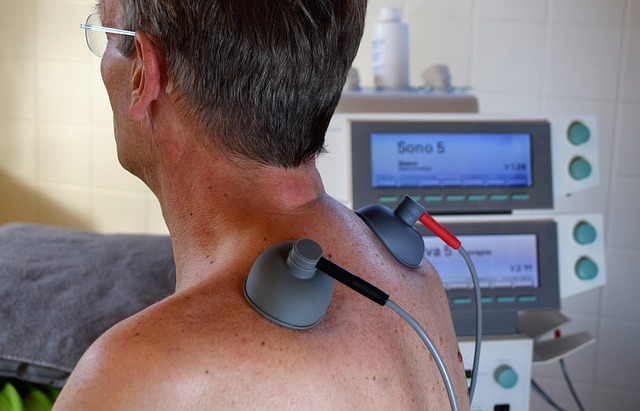
Chiropractic treatments offer a natural approach to managing shoulder pain following an auto collision. Chiropractors focus on the musculoskeletal system, addressing issues related to the spine, joints, and muscles. In the context of post-accident injuries, they play a crucial role in providing non-invasive care. A study published in the Journal of Manual Medicine found that chiropractic adjustments can significantly reduce shoulder pain and improve range of motion in patients who have experienced whiplash or other musculoskeletal trauma during car accidents.
The benefits of chiropractic treatments for shoulder pain after car accidents naturally lie in their ability to restore joint function, reduce inflammation, and promote self-healing. Chiropractors utilize various techniques such as spinal manipulation, joint mobilization, and soft tissue therapy. For instance, a patient with shoulder stiffness and pain due to a car accident might receive specific adjustments to the cervical spine and shoulder joints, combined with heat or ice therapy, to alleviate discomfort and speed up recovery.
It's important to consult a licensed chiropractor who specializes in sports medicine or auto accident-related injuries for personalized care. They will conduct a thorough examination, including x-rays if necessary, to develop an effective treatment plan. Regular adjustments and follow-up visits are essential to monitor progress and adjust the regimen as needed. This holistic approach not only addresses the symptoms but also aims to prevent long-term issues associated with chronic shoulder pain post-accident.
Effective Strategies for Long-Term Relief & Prevention
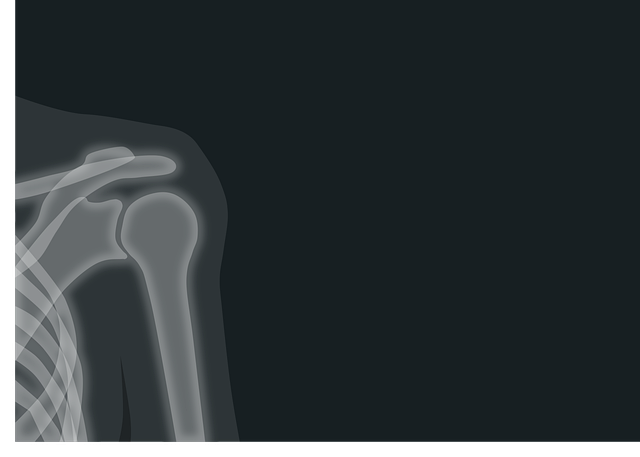
Shoulder pain following an auto collision can range from acute discomfort to chronic, debilitating conditions. While immediate medical attention is crucial for diagnosing potential injuries, implementing long-term strategies for relief and prevention often falls under the expertise of a chiropractor. Chiropractic treatments for shoulder pain after car accidents naturally focus on addressing not just the symptoms but the underlying structural issues that may have been caused or exacerbated by the trauma.
Chiropractors employ a multifaceted approach, incorporating manual adjustments to the spine and extremities, therapeutic exercises, and lifestyle recommendations. Manual manipulation can help realign joints and alleviate pressure on nerves, reducing pain signals to the brain. Targeted stretches and strengthening exercises specifically designed for the shoulder area can restore mobility and stability, preventing future injuries. For instance, research has shown that chiropractic care significantly improves outcomes for patients with post-traumatic shoulder pain, offering both short-term relief and long-lasting benefits.
Additionally, chiropractors may suggest modifications to daily activities, ergonomy improvements at work or home, and the use of supportive devices like braces or straps. These strategies not only alleviate immediate symptoms but also equip individuals with tools to manage and prevent future episodes of shoulder pain. Regular chiropractic check-ups can help identify early signs of impairment, allowing for prompt intervention before conditions escalate. By combining evidence-based treatments with patient education, chiropractors empower their patients to take an active role in their recovery and well-being.
Shoulder pain following an auto collision can significantly impact daily life, but understanding and addressing this issue effectively is within reach. This article has comprehensively explored the relationship between auto collisions and shoulder pain, highlighting the importance of chiropractic treatments as a natural and safe approach to recovery. By delving into the mechanisms behind post-collision injuries, we've emphasized the value of early intervention for optimal outcomes.
The key insights reveal that chiropractic care offers a multifaceted strategy for long-term relief and prevention. Through gentle adjustments, targeted exercises, and patient education, chiropractors naturally facilitate the body's healing process without invasive procedures or medications. This holistic approach not only alleviates acute pain but also empowers individuals with the knowledge to prevent future injuries.
Practical next steps include recognizing the importance of seeking professional care promptly, engaging in recommended chiropractic treatments for shoulder pain after car accidents naturally, and adopting preventive measures such as improved posture and regular stretching routines. Armed with this knowledge, individuals can navigate their recovery journey with confidence, knowing that a structured, holistic approach can lead to lasting relief and enhanced well-being.